Madurai, July 2026: Meenakshi Mission Hospital and Research Centre (MMHRC), Madurai, hosted MADHURAM 2026, the 11th edition of the Indian Academy of Pediatrics (IAP) – Paediatric Haematology Oncology Chapter’s Midterm Continuing Medical Education (CME) programme. The three-day event, held from July 17 to 19, showcased the latest advances in paediatric haematology, oncology, and bone marrow transplantation.
The CME brought together nearly 100 national and international experts in childhood blood disorders and cancer. Around 500 delegates, including postgraduate medical students, community physicians, paediatricians, family physicians, specialists, and onco-surgeons, participated in the programme. Dedicated sessions and panel discussions were organised for frontline paediatricians, practising physicians, family physicians, and other specialists, with a focus on equipping them with the latest scientific, technological, and clinical developments in the field.
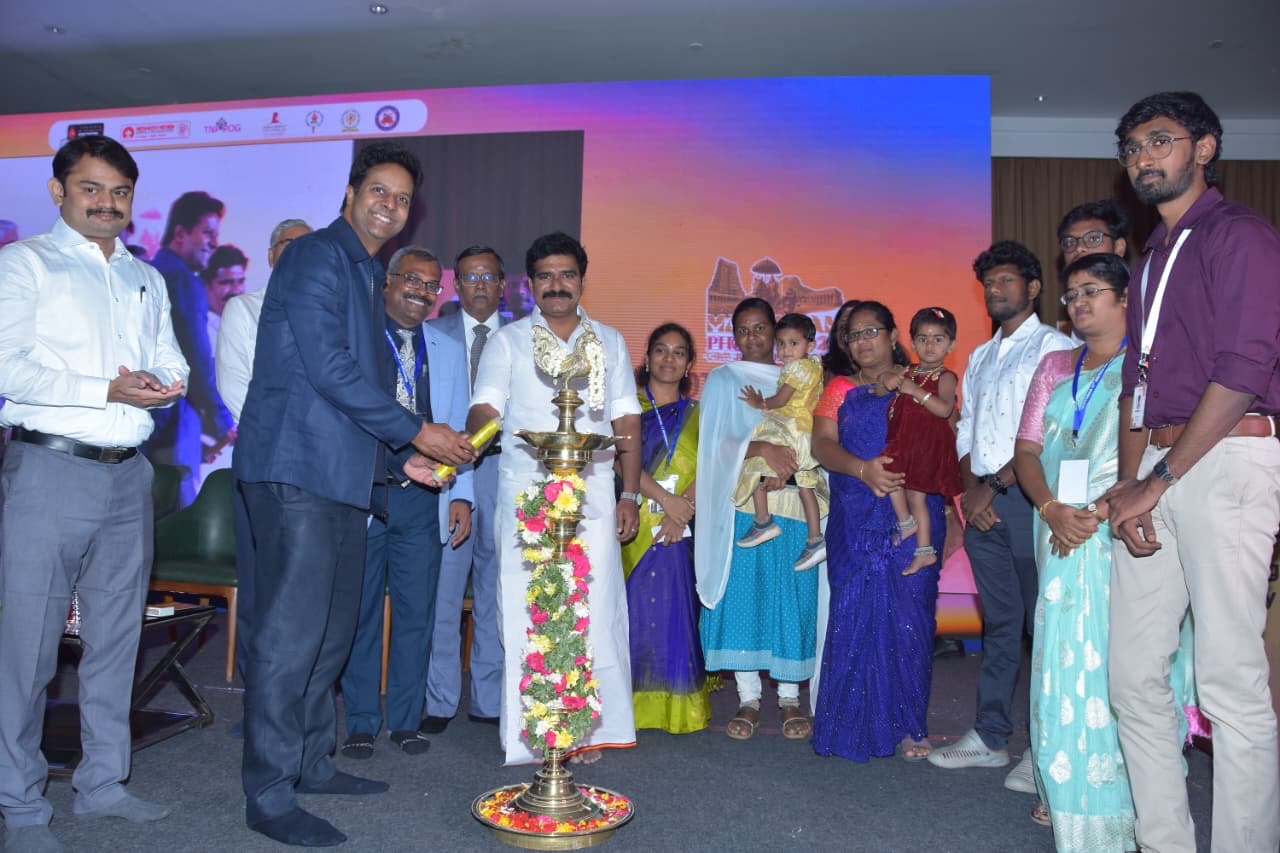
MADHURAM 2026 was inaugurated by Mr. R. Nirmal Kumar, Minister for Energy Resources and Law, Government of Tamil Nadu in the presence of Dr. S. Gurushankar, Chairman, MMHRC; Dr. Balashankar, Professor Emeritus and Former Director, Institute of Child Health, Madurai Medical College; Dr. Satya P. Yadav, Chairperson and Dr. Shweta Bansal, Honorary Secretary, IAP Paediatric Haematology Oncology Chapter; and Dr. Kannan B., Medical Administrator, MMHRC.
The organising committee was headed by Dr. T. Kasi Viswanathan, Senior Consultant, and had consultants Dr. Annapoorani, Dr. Anitha, and Dr. Venkateswaran from the Department of Paediatric Haematology and Oncology, Meenakshi Mission Hospital and Research Centre, Madurai as core members.
In his address, Mr. R. Nirmal Kumar said, “In India, the incidence of cancer has been rising, partly because of greater awareness, improved diagnostic capabilities, and the growing presence of both government and private healthcare institutions. However, one of our biggest challenges is that a large proportion of cancers are still diagnosed at an advanced stage, when treatment becomes more complex and survival rates are lower. Compared to many Western countries, we are yet to achieve widespread early detection. We need to significantly strengthen cancer screening programmes, increase public awareness, and make screening more accessible, especially in underserved regions.”
In his comments, Dr. Gurushankar said, “A hospital may be known for its imposing buildings and advanced infrastructure, but its true strength lies in the expertise, commitment, and compassion of its doctors. If a hospital is likened to a temple, then its presiding deities are its doctors, for they restore health, hope, and life to society. At Meenakshi Mission Group of Hospitals, we believe our foremost responsibility is to empower our doctors. We remain committed to creating world-class infrastructure, providing access to the latest technologies, and fostering an ecosystem where they can deliver the very best care. Supporting our doctors in their noble mission is, ultimately, our greatest service to the community.”
Talking about CME, Dr. Kasi Viswanathan said, “The primary objective of this conference is to create greater awareness among postgraduate students, community physicians, and specialists about the latest technological, scientific, and clinical developments in paediatric oncology, haematology, and oncology. The sessions highlighted several important advances, including the use of molecular technologies for the early and accurate diagnosis of cancer, newer targeted therapies, innovations such as CAR T-cell therapy, where a patient’s immune cells are collected, genetically reprogrammed, and reinfused to identify and destroy cancer cells, as well as the latest developments in the diagnosis and management of blood disorders.
Knowledge shared at such academic forums ultimately translates into better patient outcomes. When community doctors are equipped with the latest advances and are able to recognise the early signs of cancer and blood disorders, they can facilitate timely referrals, early diagnosis, and appropriate medical intervention. Early detection remains one of the most effective ways to improve treatment success and survival.”